Deep-Tech × Systems Innovation × Commercialization | Strategy, Products & Ventures | Physical AI, Humanoids, Robotics & Autonomous Systems · Advanced Materials · Energy Transition
Imperial College London (Distinction) & RCA / Dyson School of Design Engineering

Manoj Sahi Kumar is a deep-tech executive, venture builder, and systems thinker exploring how ideas become technologies, technologies become industries, and industries shape civilization. For more than 15 years in Asia and Europe, he has worked at the intersection of research, engineering, product development, commercialization, and deployment, imagining and building at the frontiers of Physical AI, Humanoids, Robotics & Autonomous Systems, Advanced Materials, and the Energy Transition.
He has founded ventures including Electrofuel Marine in Singapore, Mattr5 in Estonia, Elbots in Japan, and Robots Alive in India, and has served as CEO, Managing Director, CTO, Director of Product, and Entrepreneur-in-Residence. Throughout these roles, he has led multidisciplinary teams, advanced technology ventures, directed multi-million-dollar product and commercialization programs, established strategic partnerships, secured research and innovation funding to bring frontier research into products, businesses, and technology ecosystems.
Manoj believes enduring progress emerges when human creativity, deep technology, and long-term sustainability advance together.
Educated in Robotics and Innovation Design Engineering at Imperial College London and the Royal College of Art, where he earned two Master’s degrees with Distinction, Manoj is a Chevening Scholar and recipient of multiple national awards, including recognition for excellence in robotics and design.
Today, he focuses on where intelligence meets the physical world from Physical AI, humanoids, robotics and autonomous systems to advanced materials and industrial infrastructure covering the full technology lifecycle. Alongside his professional work, he is developing a body of thought on how increasingly capable intelligence is reshaping technology, industry, and civilization.
AI 2030+ ⇢ The industrialization of intelligence and re-imagining human identity.
Humanoids 0:1 ⇢ The Humanoid transition and re-architecting civilization.
AI Liberation Hypothesis ⇢ The intelligence becoming a new source of power.
Conscious Enterprise ⇢ Reshaping organizations when intelligence becomes abundant.
Age of Imagination ⇢ Creativity, purpose, and agency in an age of intelligent machines.
Human? ⇢ What remains distinctly human as intelligence and physical capability become programmable?
Fractal Universe ⇢ Uncovering cosmic origin, recursive emergence, and the architecture of reality.
He has collaborated with leading research institutions, universities, and global companies, including NASA’s Space Technology Mission Directorate, Max Planck Institute, Imperial College London, Royal College of Art, NUS, University of Oxford, Fraunhofer, Fanuc, Denso Robotics, Dyson, Panasonic, Atlas Copco, Daiwa House Group, and Mitsubishi Corporation. He has also secured intellectual property through a portfolio of international patents.
Mattrbot
Robotic Soft Material
What if the material itself could become the robot?
London, 2019
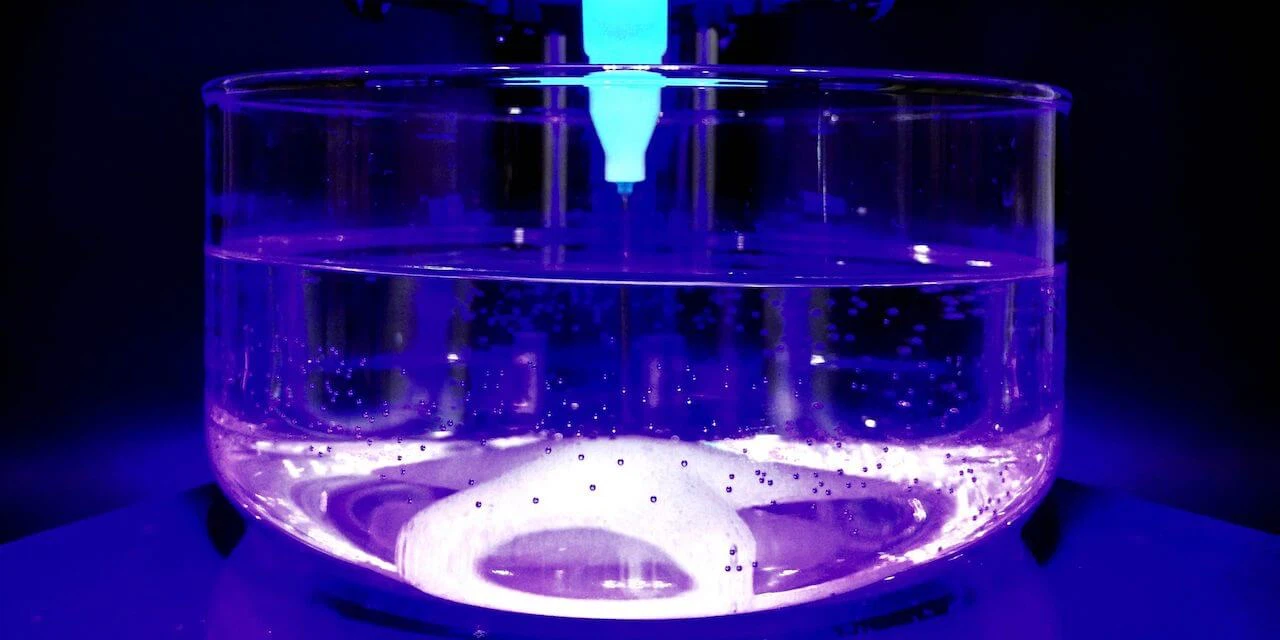
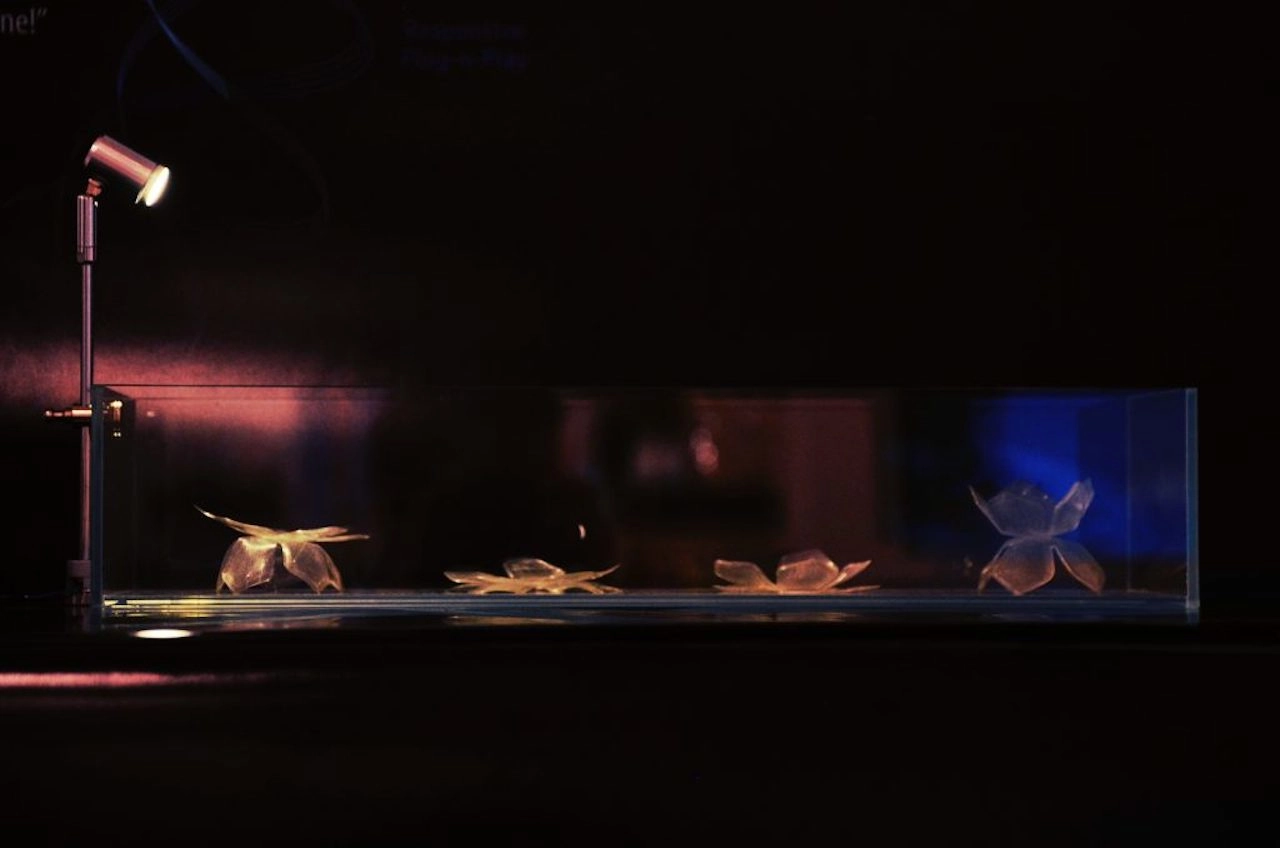
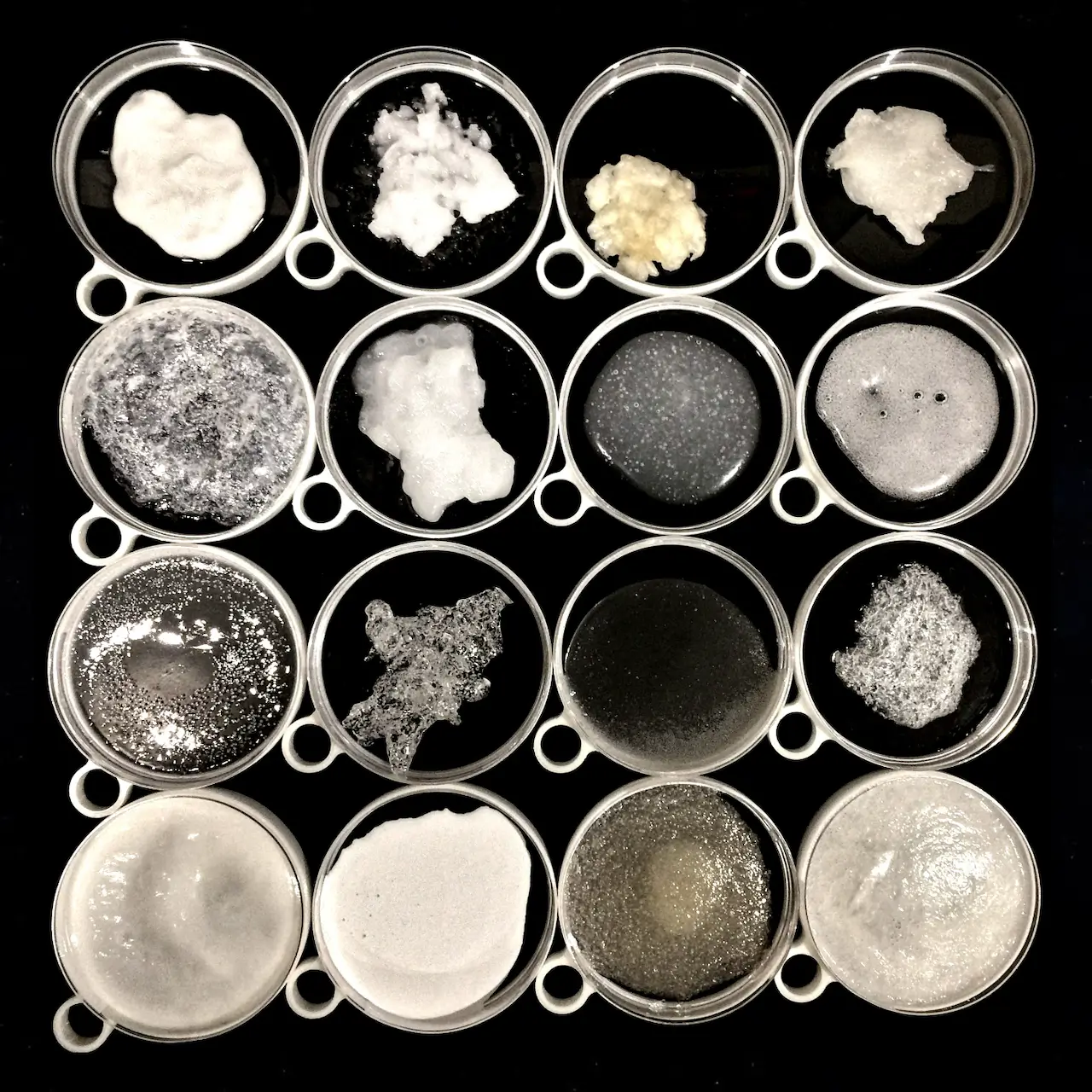
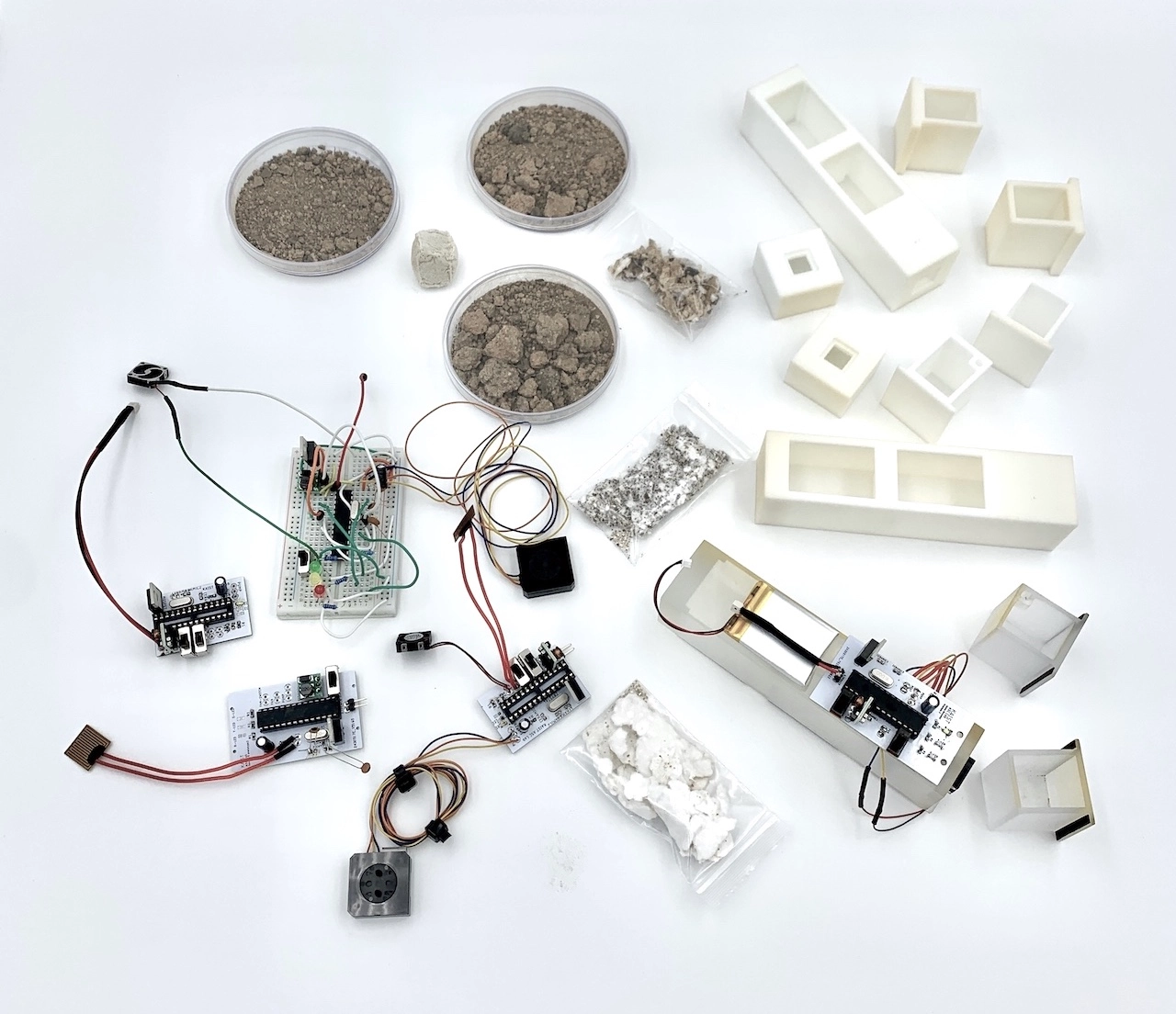
Mattrbot investigated a new class of robotic material in which sensing, movement, computation, and communication could be integrated within the material itself. Developed through AI and design thinking for autonomous systems, Mattrbot demonstrated how intelligence could move beyond embedded electronics and become an inherent property of the material.
The work laid the foundation for a new approach to robotic materials, with potential applications in healthcare, mobility, consumer products, and everyday environments, rethinking how humans interact with the physical world through materials that are intelligent, responsive, and adaptive.

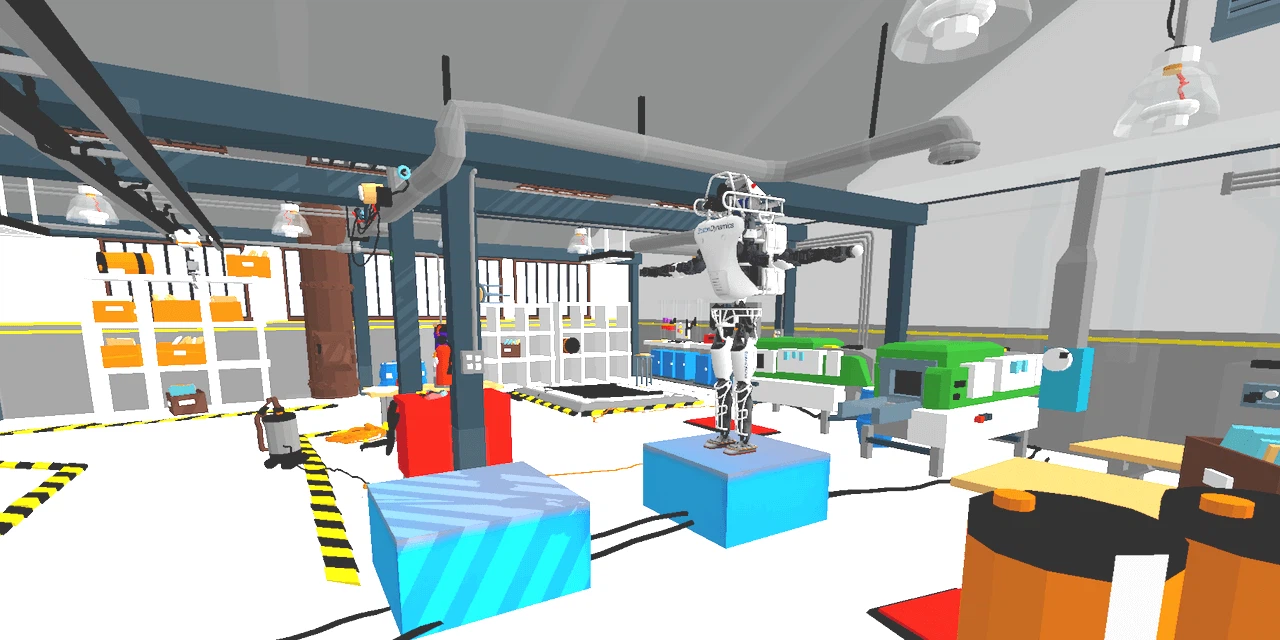
Atlas Reinforcement Learning
HER with DQN
London, 2018
A framework to evaluate the performance of two reinforcement learning algorithms, Hindsight Experience Replay (HER) and Deep Q Network (DQN), using a simulated humanoid robot from Boston Dynamics. The analysis encompasses metrics such as learning efficiency and adaptability to dynamic environments. Through the simulation of real-world scenarios, the project aims to understand how these algorithms perform in tasks such as locomotion and manipulation in autonomous robotic systems.
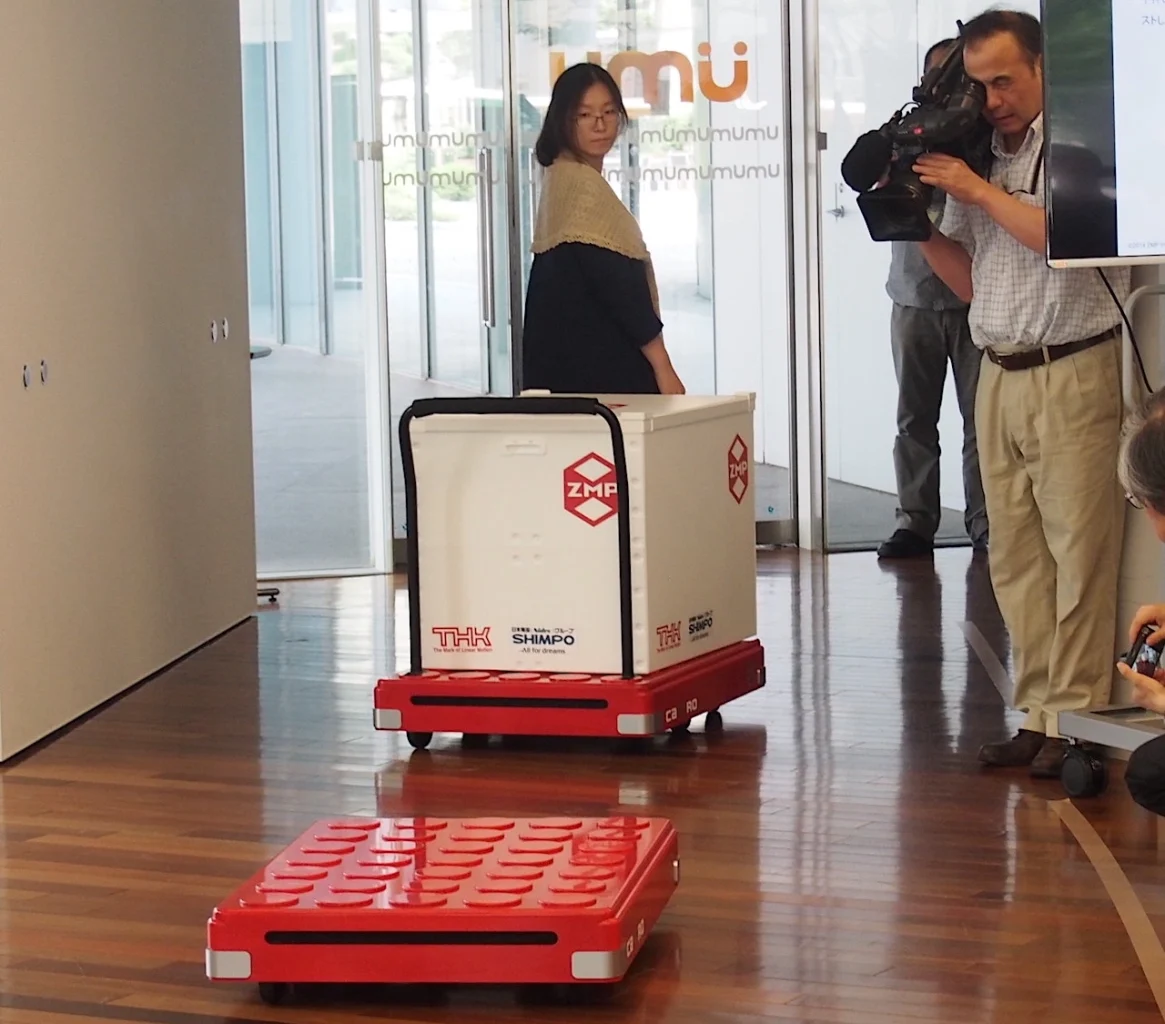
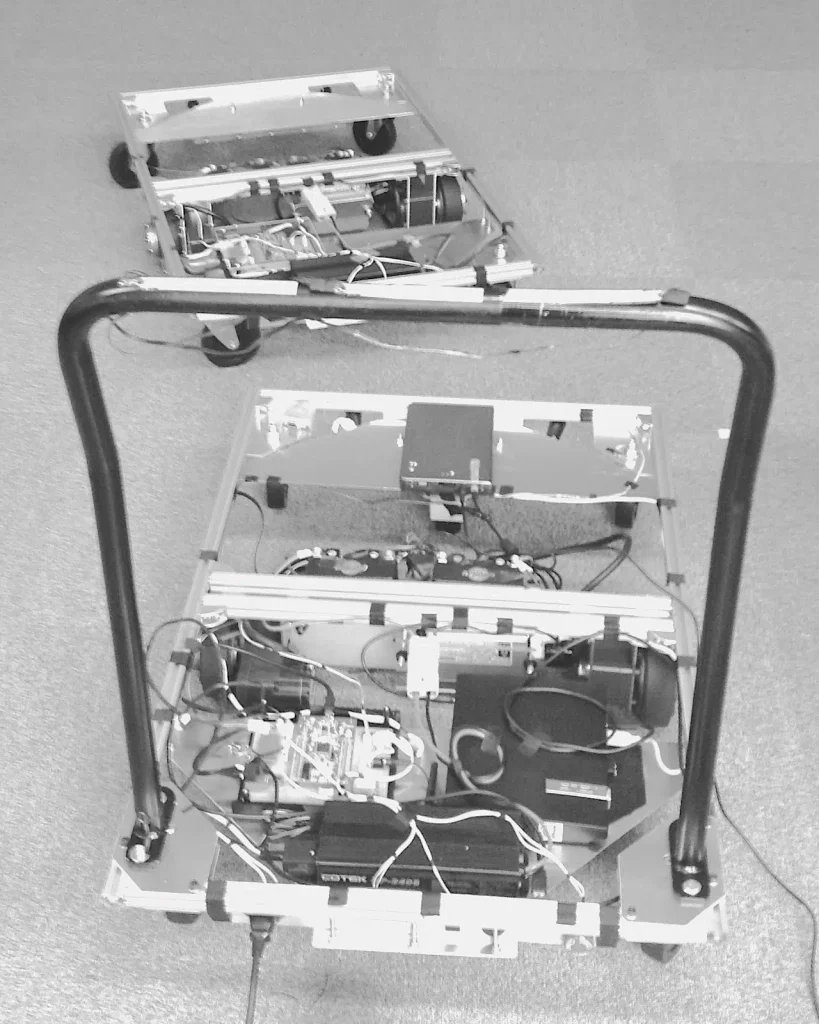
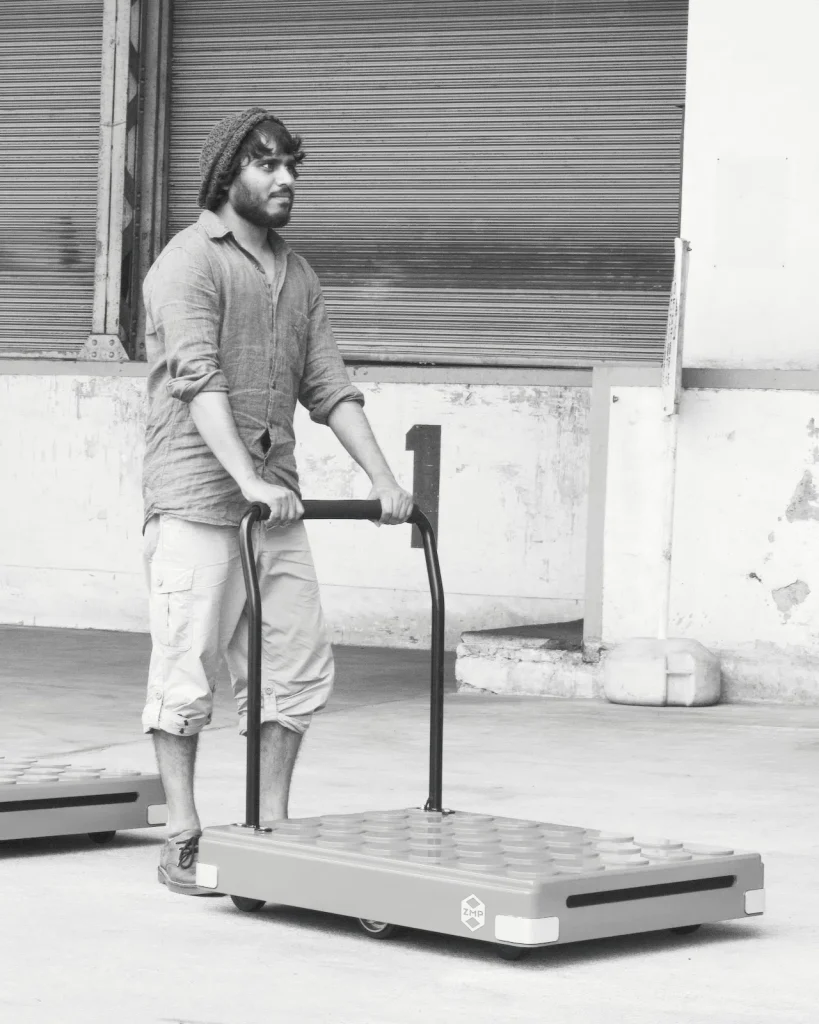
CarriRo
Logistics Robot Cart
Tokyo, 2015
An autonomous logistics robot designed around three modes of human-robot collaboration. Assist mode supports operators in material handling; Tracking mode uses sensor fusion to follow users autonomously; and Autonomous mode enables independent navigation. The system connected how mobile robots could adapt between human-assisted and autonomous operation in complex logistics environments.

Space Grounded
Neurological Wellness Device
Paris, 2022
A pocket-sized device experimenting with sensory and physiological approaches to supporting astronaut well-being during long-duration spaceflight. It combines the scent of petrichor, the familiar aroma associated with rain on Earth with sensory stimulation designed to evoke terrestrial experiences. The device stimulates the production of serotonin and norepinephrine, neurotransmitters associated with mood regulation and cognitive function, testing how sensory and physiological responses can support psychological resilience during deep-space travel.
Space Compass
Interplanetary Navigation
London, 2018
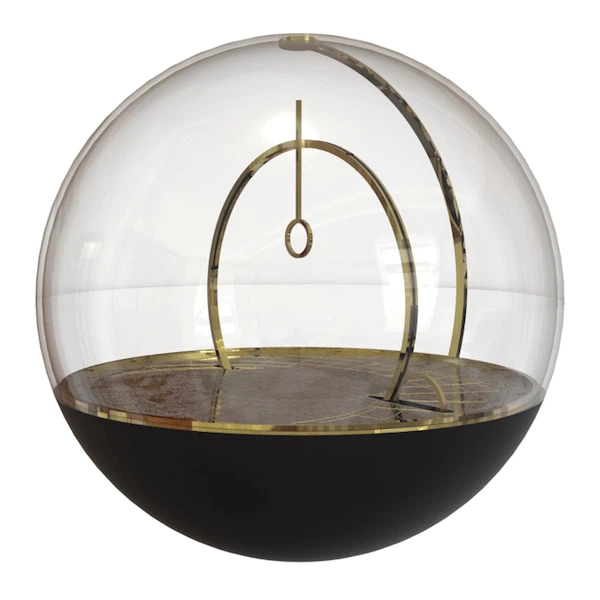
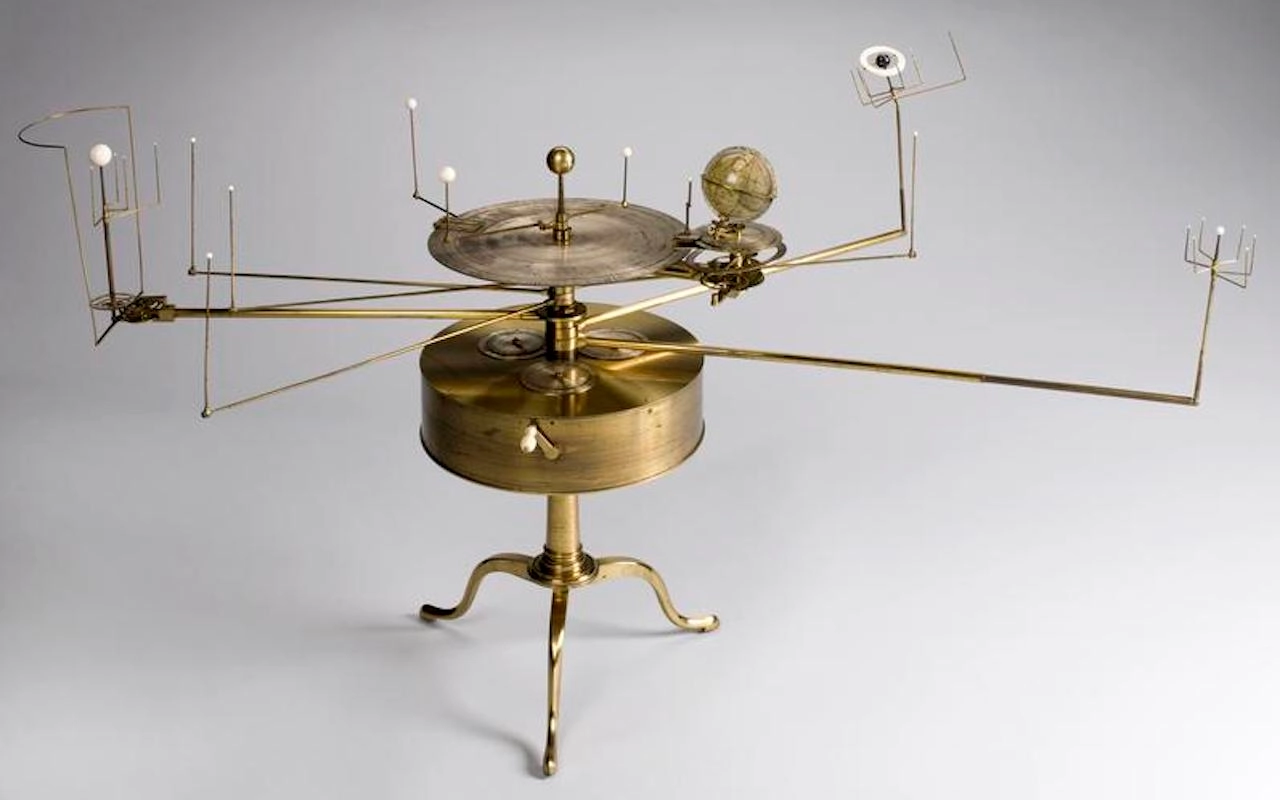
An artifact navigation compass designed for space travel, using planetary positions rather than magnetic north as its reference. The project probed how the conventional compass could be reimagined for navigation beyond Earth, orienting travelers through the planetary positions of the solar system while creating a new relationship between navigation, interaction, and cosmic space.

Sensoids
All-Condition Human Sensing System
Tokyo, 2015
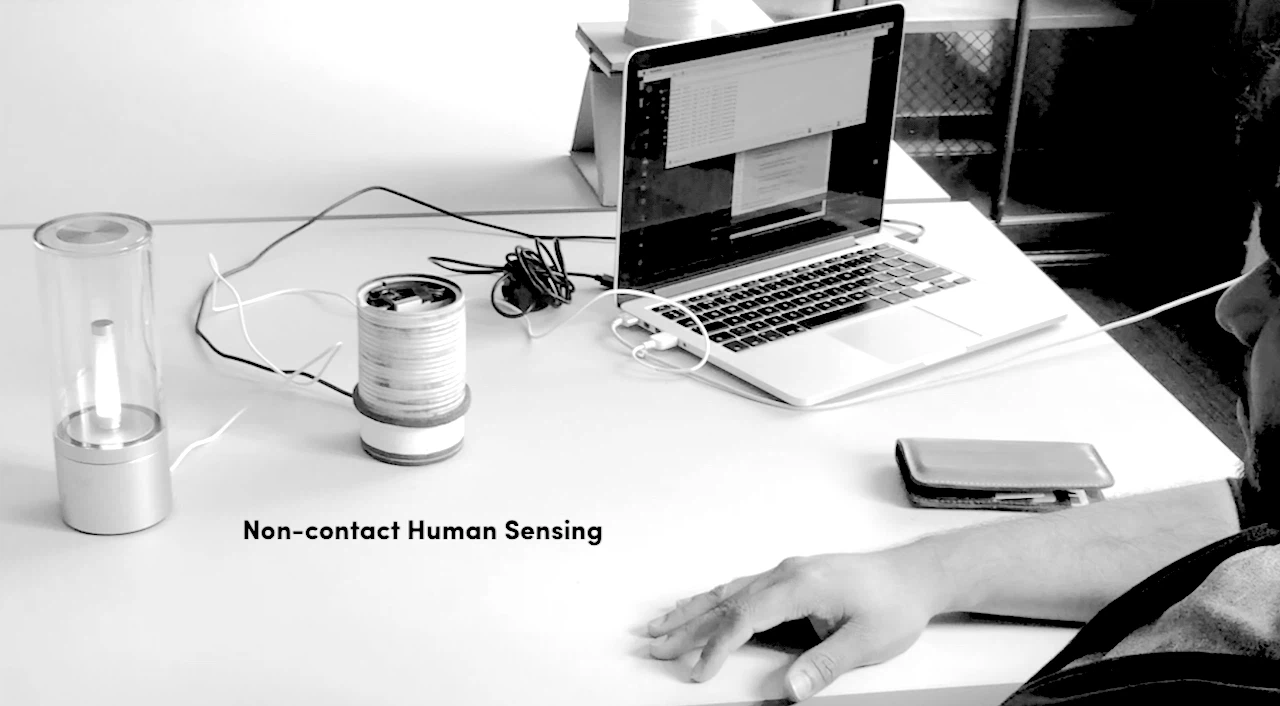
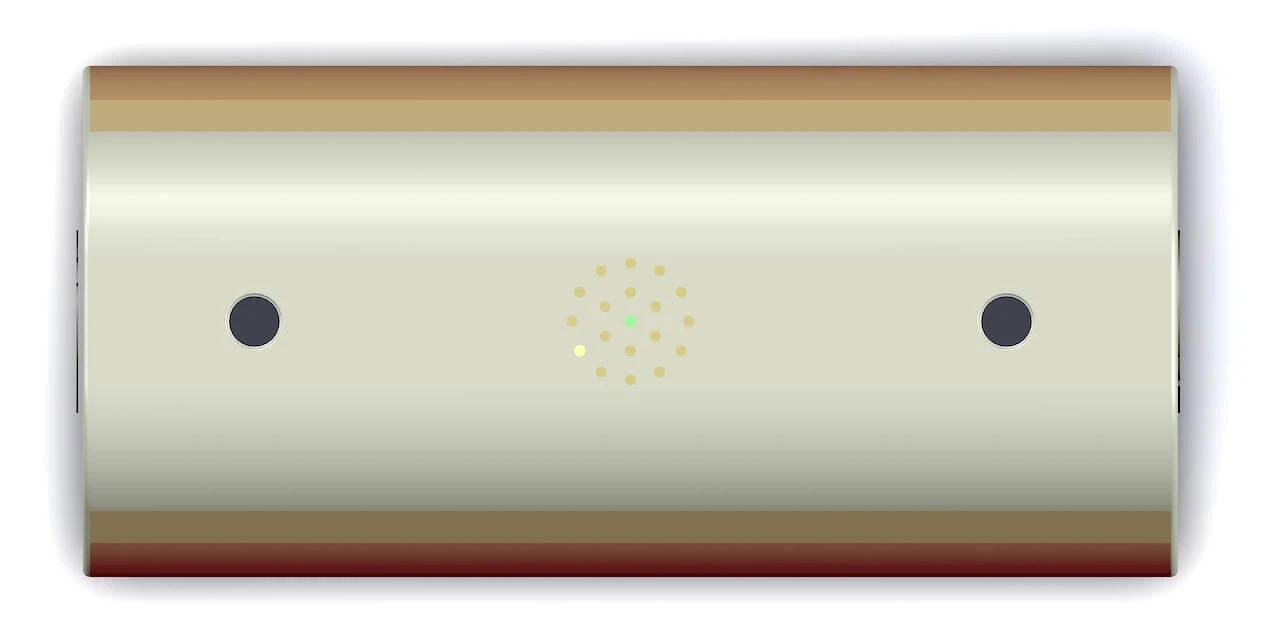
A non-contact sensing system for detecting human presence and identity across indoor and outdoor environments and varying conditions. Designed for integration with intelligent systems, it delved into personalized interaction, context awareness, and enhanced security without physical contact or intrusive monitoring, with potential applications spanning smart homes, public spaces, and industrial environments.
ElbotM
Elderly Mobility Robot
Tokyo, 2015
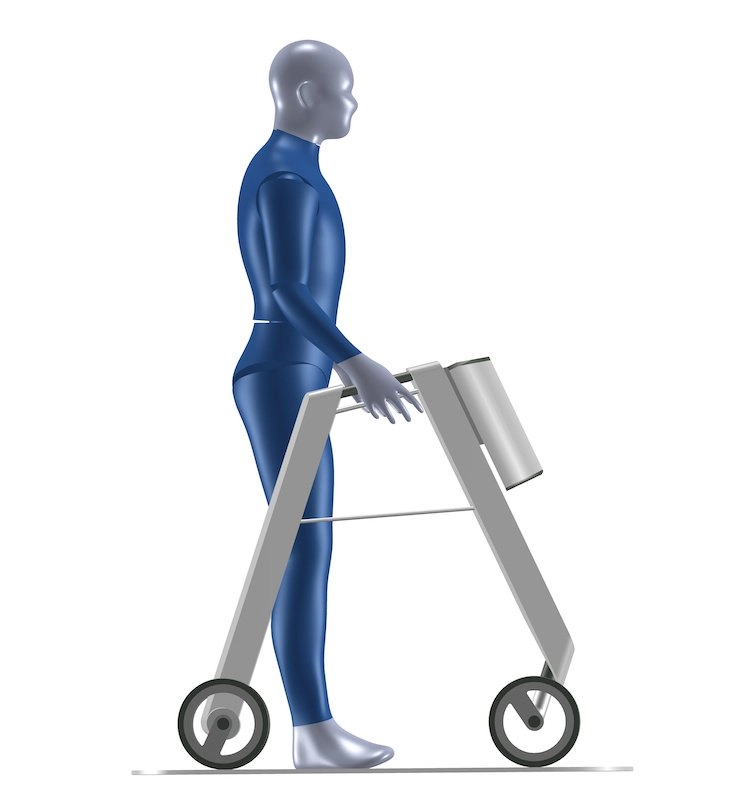
A mobility robot designed to support older adults experiencing reduced walking ability. Its adaptive walking system analyzes gait and balance data to adjust assistance in real time, providing personalized feedback tailored to each individual. The system guided how robotics and AI could support mobility, rehabilitation, and greater independence.


Liwa BreathLink Watch
Respiratory Health Monitoring
London, 2018
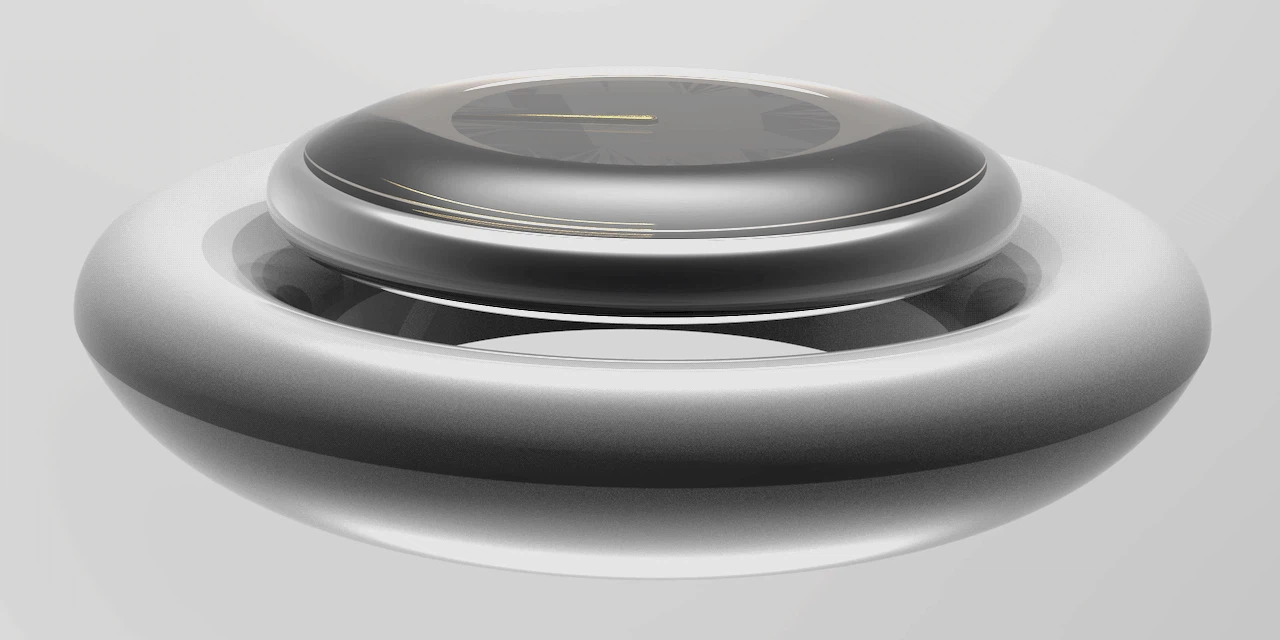
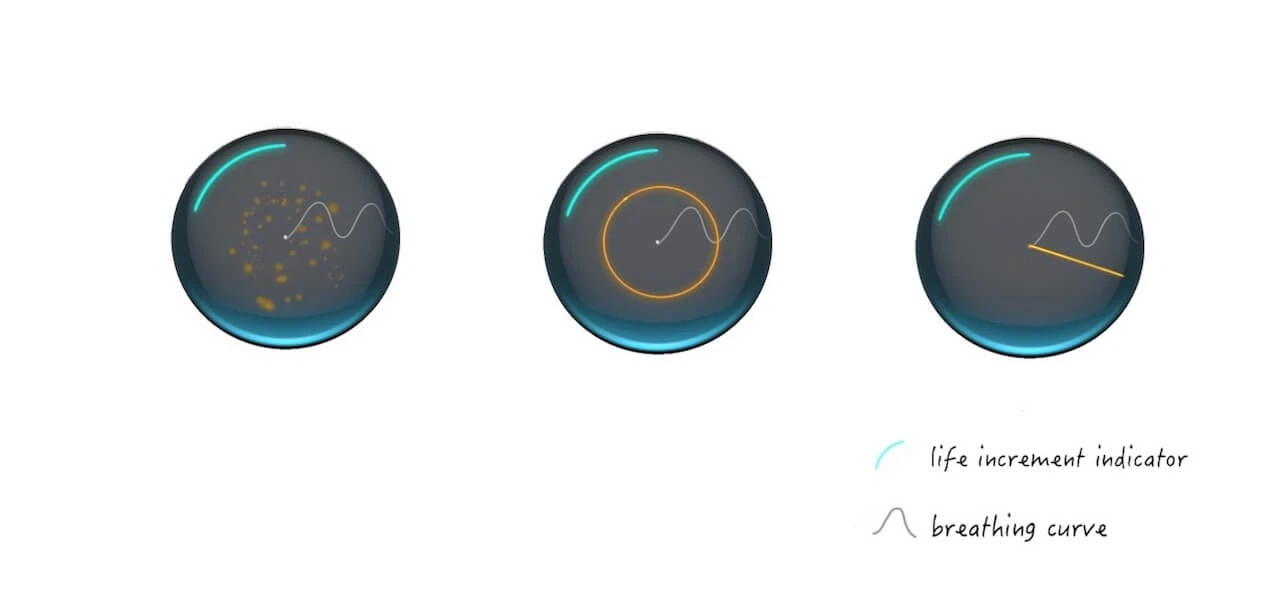
A wearable concept that uses breathing as an interface for sensing, biofeedback, and human connection. The device enables how breath patterns could enable non-verbal communication between users while providing personalized feedback and interaction through a wearable form.
Farm-in-Pocket
Consumer Photo-bioreactor
London, 2018
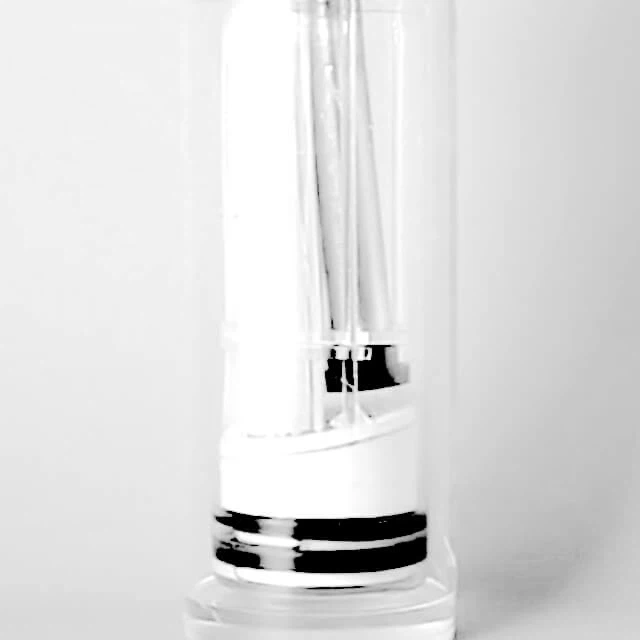
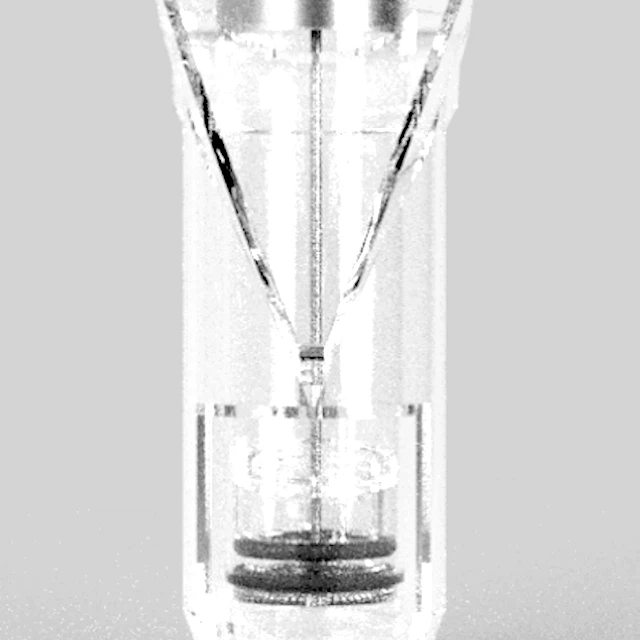
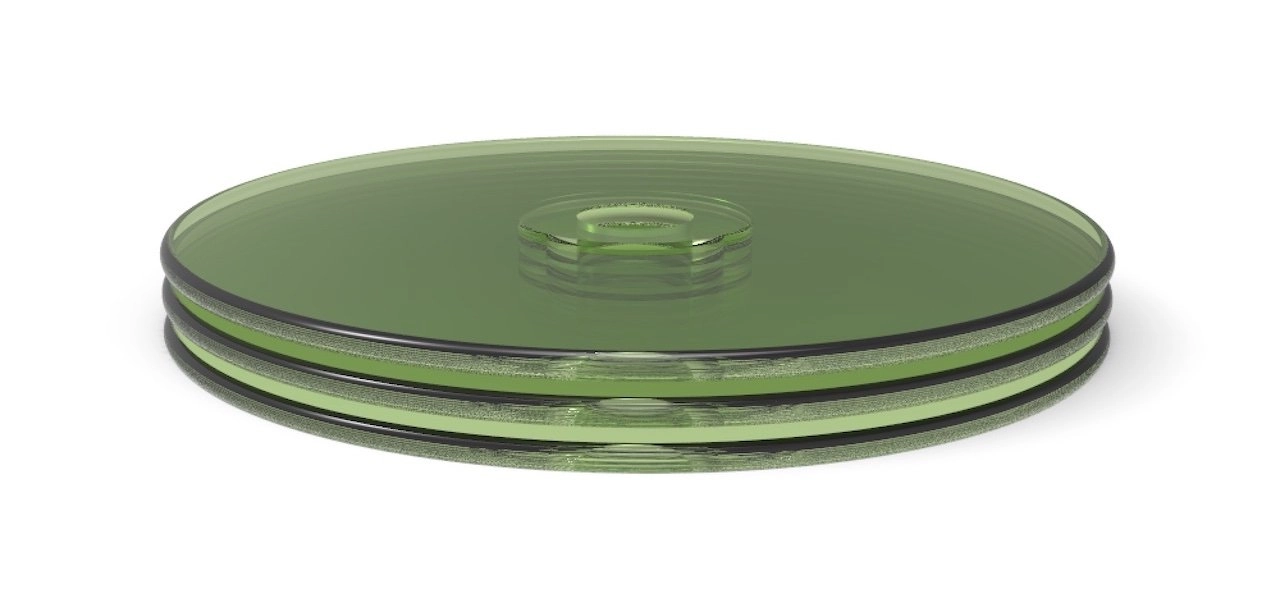
A pocket-sized photobioreactor concept deploying decentralized food production through the cultivation of protein-rich biomass using light and carbon dioxide. The project examined the idea of moving food production closer to the point of consumption, with implications for self-sufficiency, resource efficiency, and food security.



Dhii
Collaborative Robot for SMEs
Bengaluru, 2010
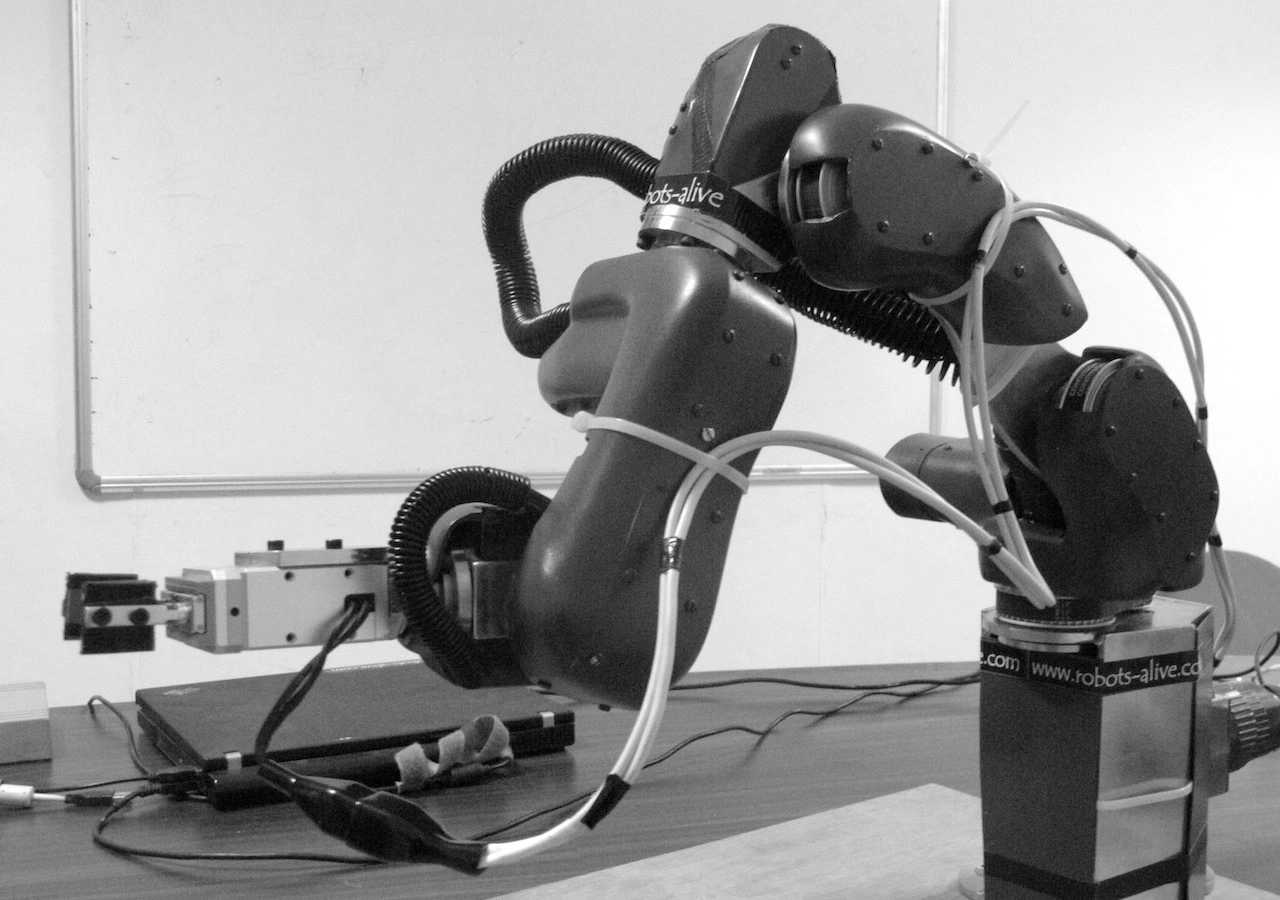
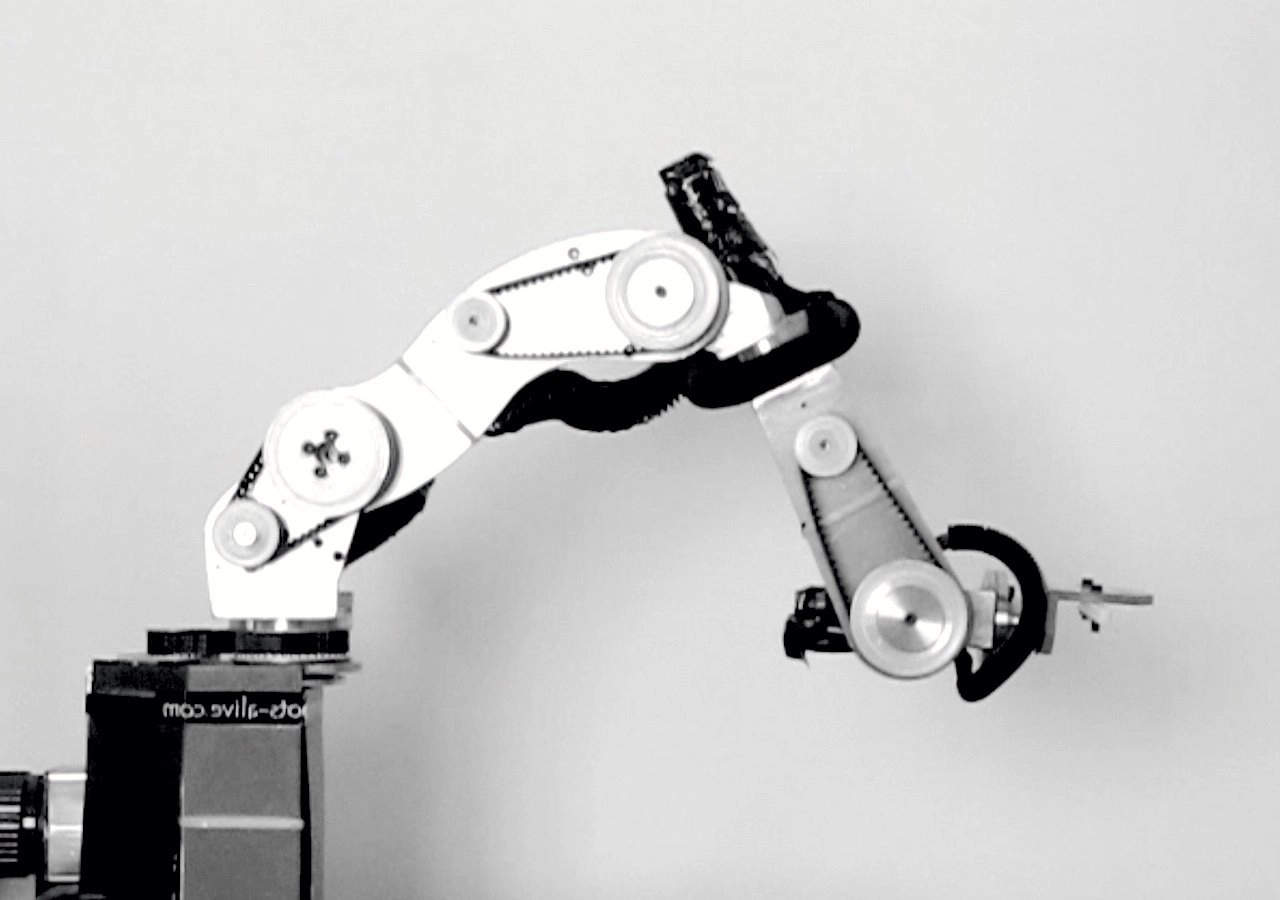
A lightweight collaborative robot designed for flexible manufacturing, combining modular intelligent components with an intuitive programming interface. Its dexterity enables precise handling of delicate tasks, while its accessible programming allows operators with different levels of experience to configure and adapt the system. The design also realized how modular, easily reconfigurable robotics could reduce production downtime and make automation more accessible to small and medium-sized manufacturers.
Dynawear
Smart Wearable
Mumbai, 2010
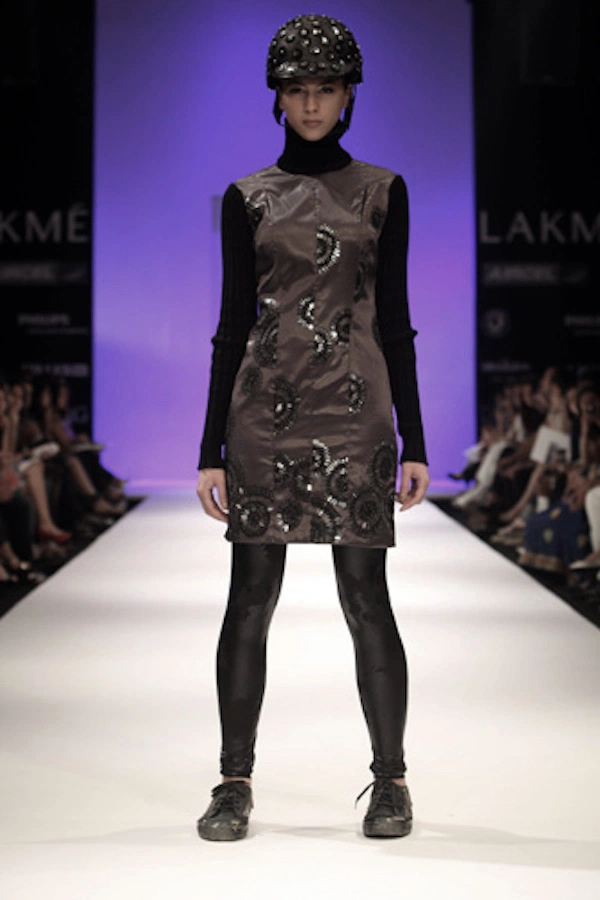
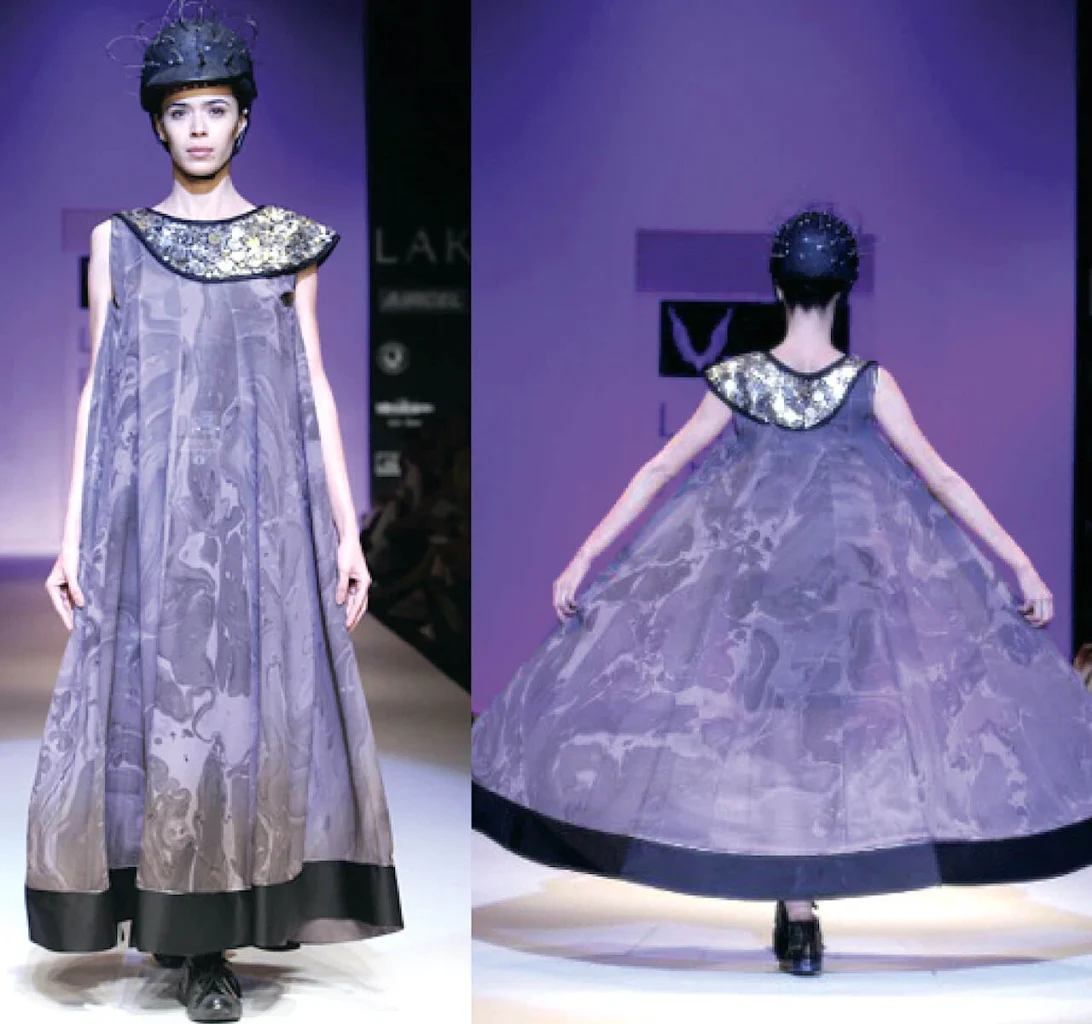
A collection of wearable concepts combining soft polymers, mechanical structures, and embedded sensing. The garments were designed to sense and respond to movement while dynamically changing form, establishing how intelligent materials and adaptive structures could transform the relationship between clothing, the body, and movement. The work examined how material intelligence could enhance comfort while enabling new possibilities for responsive form and function in wearable design.


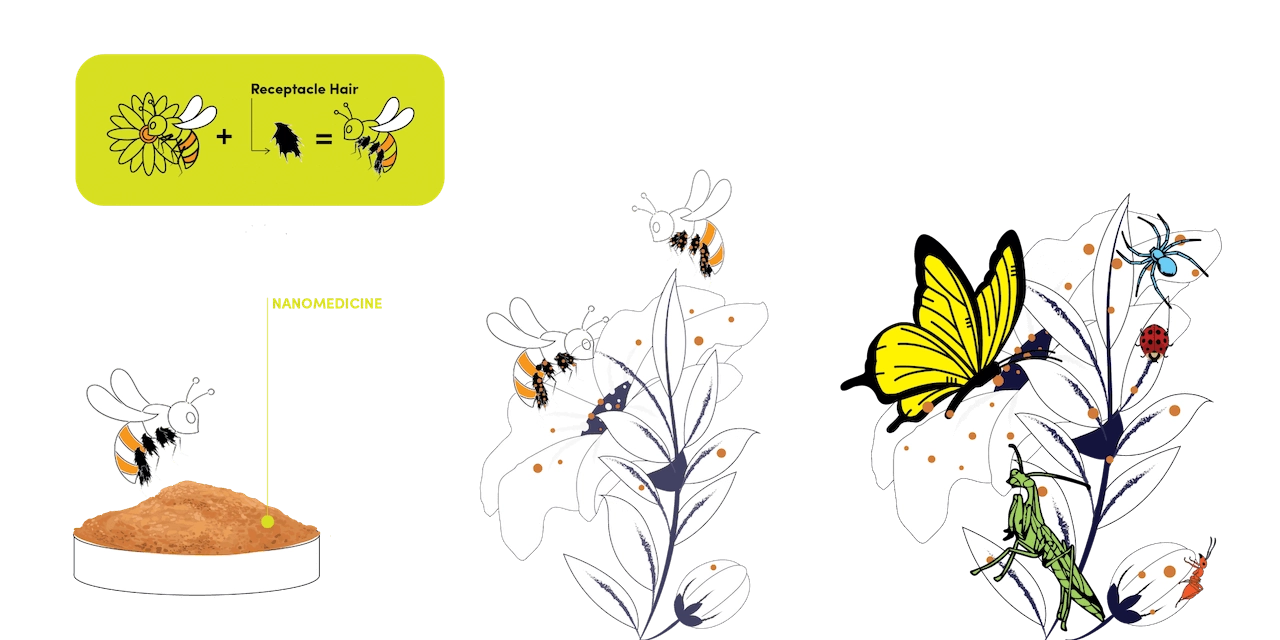
Transgenic Bee
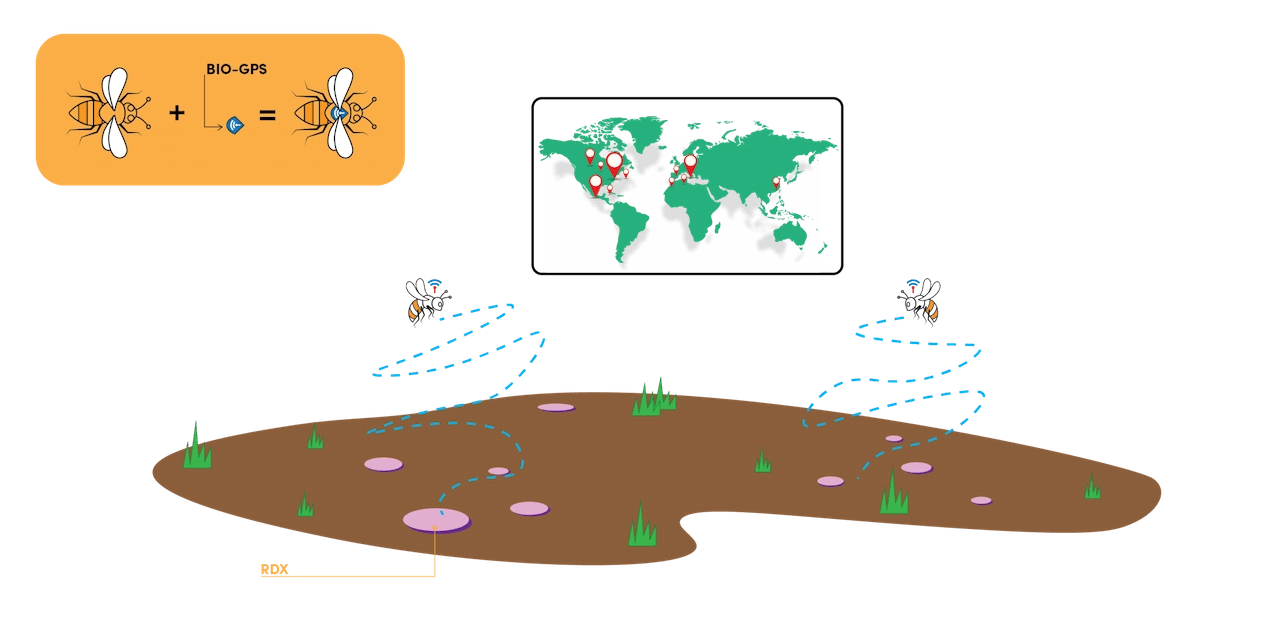
Synthetic Biology for Sustainability
London, 2018
A synthetic-biology concept pushing the boundaries of how engineered bees might address agricultural and ecological challenges. The project proposed enhanced olfactory capabilities for detecting RDX contamination, alongside biological modifications intended to improve pollen transfer and hive resilience, examining the potential and complexity of designing biological systems for environmental applications.