
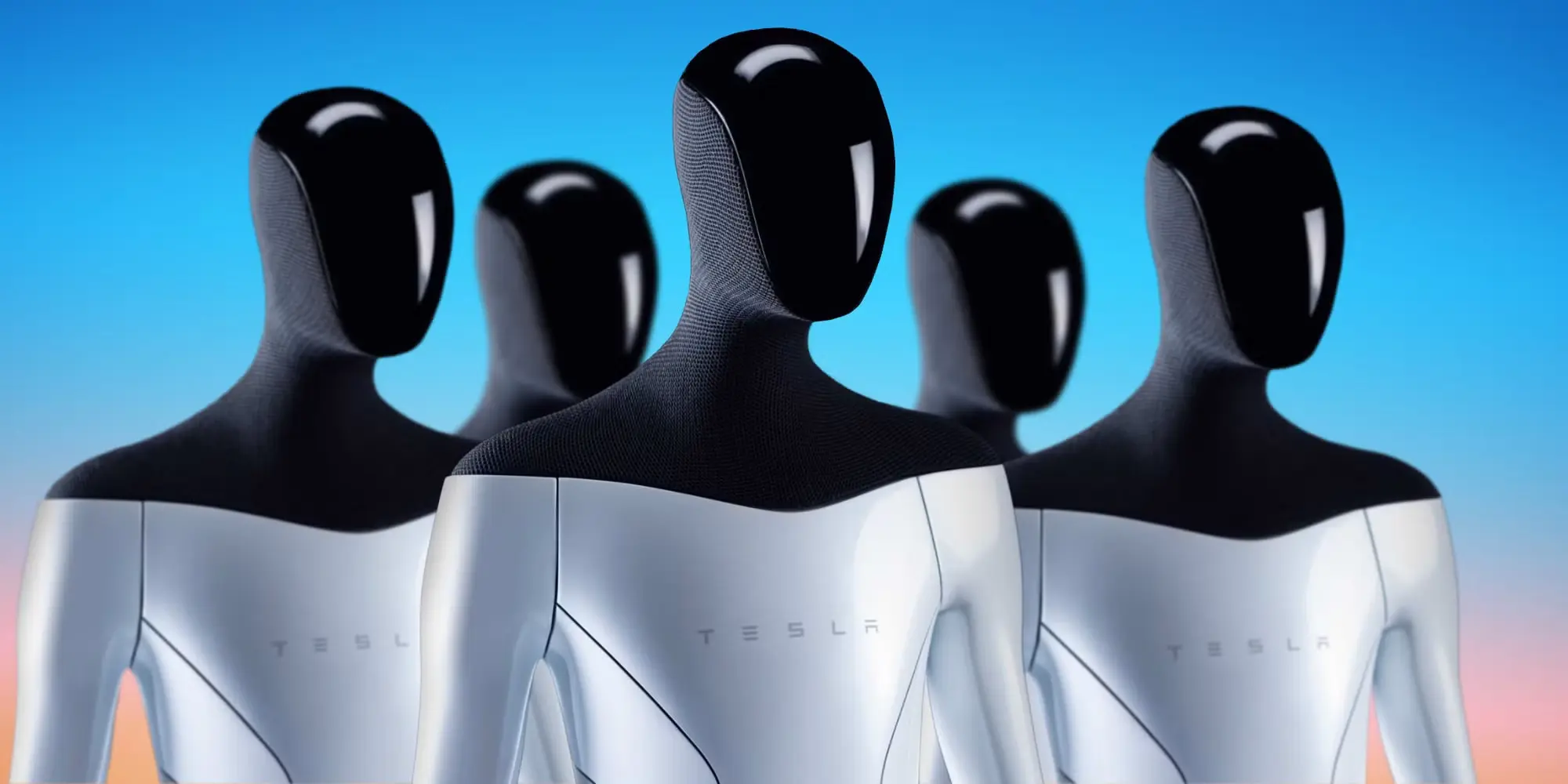
As humanoid robots from powerful players move beyond labs, it reminds me of a geopolitical doctrine we’ve been seeing recently, “might is right”. The belief that money, speed, scale, and global dominance guarantee control.
From a leadership lens, this approach undermines strategic strength. History repeatedly shows the same pattern. Tactical superiority can deliver short-term wins, but it rarely produces durable outcomes. Force can compel behavior, but it cannot secure trust, or goodwill. The harder the push, the more resistance it creates. What looks decisive in the moment often becomes fragile over time.
Humanoid robotics faces this exact problem, compressed into engineering and product strategy. These robots are not isolated machines. They are embodied systems operating inside human environments. Unlike industrial robots locked behind cages, humanoids share physical, social, and legal space with people. A “human-form-first” approach may impress in demonstrations, but in real-world deployment it predictably results in psychological concerns, fear, legal exposure, regulatory intervention, and lack of trust. These are the natural consequences of confusing tactical capability with strategic viability.
Many top teams make this mistake. Focus on building stronger, faster, more aggressive robots can be tactically brilliant but strategically stupid. Power without alignment scales risk faster than value. The more capable the system, the higher the cost of a mistake. Complex systems do not survive on power alone. Geopolitics relies imperfectly on norms, rules, and institutions because unrestrained force ultimately collapses systems. Humanoid robotics will follow the same path. Ethical frameworks, safety guarantees, and explainable behavior are not philosophical add-ons, they are operational requirements.
Moreover, trust is the real constraint. Power can force compliance, but it cannot secure acceptance. Coercion may deliver short-term results, yet it inevitably triggers resistance, regulation, and backlash. By contrast, restraint, predictability, and proportionality reduce risk and earn permission to operate socially, legally, and economically. Adoption follows trust, not dominance, because systems scale only when others are willing to engage with them.
Bottom Line
The future geopolitical or robotics does not belong to the most aggressive. It belongs to those that are most aligned. Humanoid robotics will succeed only by operating within human values, grounded in safety, accountability, and legitimacy. Alignment is non-negotiable. “Might” without strategic alignment does not create the right kind of progress. It causes misdirection and amplifies the risk of long-term collapse.