
Image courtesy of NDR
The most consequential conflict of the twenty-first century has begun in data centers. While the world’s attention remains fixed on visible geopolitical crises, an invisible struggle is already reshaping global power, a race over AI, energy for computational power, and the technological infrastructure. This new conflict is not defined solely by rival nations. Instead, it operates across four interconnected layers that together determine the balance of power.
The first is the compute war, a global race for the semiconductors. Cutting-edge processors have become strategic assets. Governments now treat semiconductor supply chains as matters of national security and investing billions to secure technological independence. The logic is simple, whoever controls computational power will shape the economic and military capability.
The second layer is the model race to build increasingly powerful AI systems capable of reasoning, planning, and autonomous decision-making. Firms including OpenAI, Google, and Anthropic lead frontier AI, while Baidu, Alibaba, and Tencent are constructing rival ecosystems. These systems are becoming cognitive infrastructure tools that shape how information flows, how decisions are made, and how economies function.
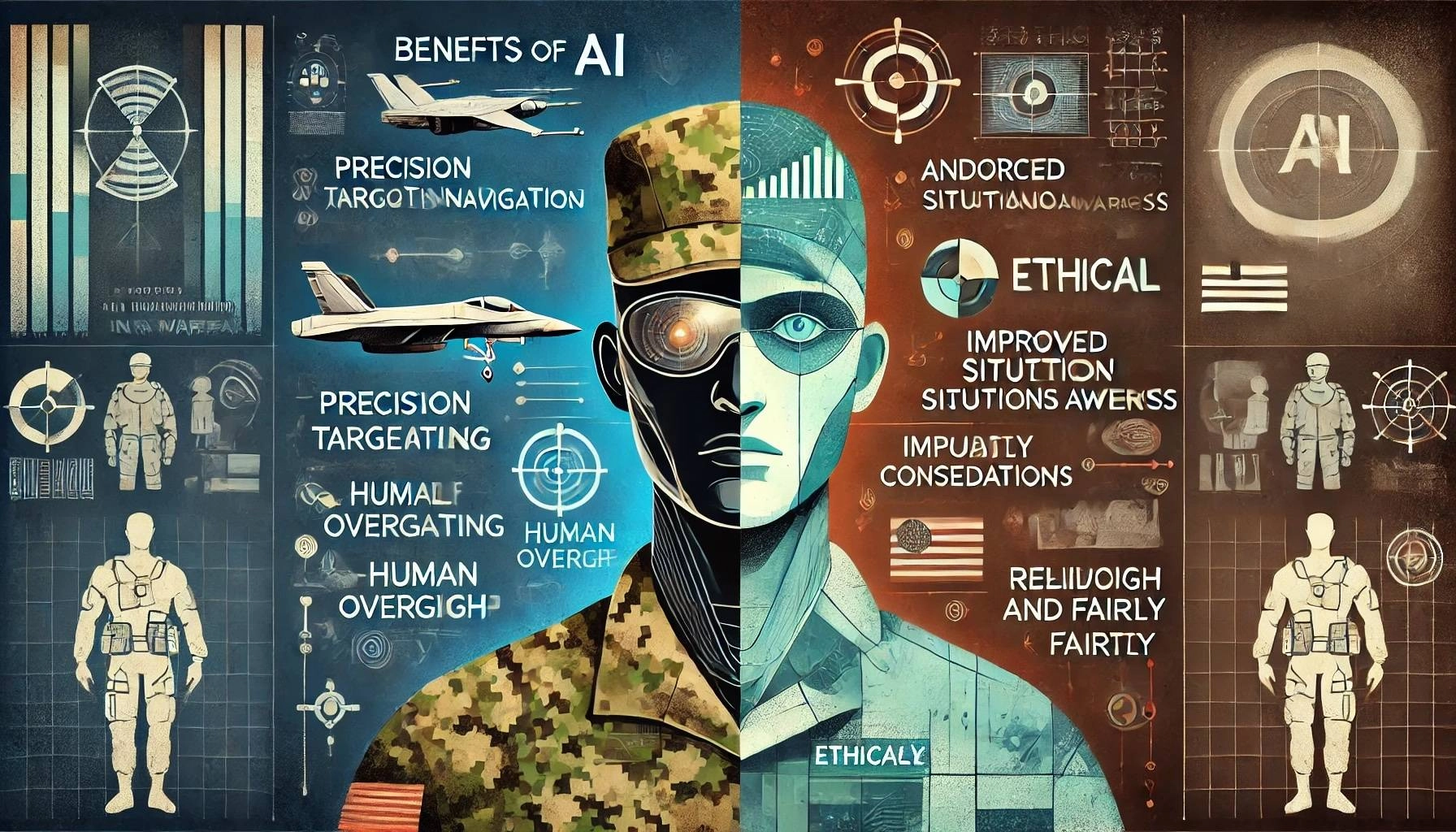
The third layer is military AI integration, where AI is quietly transforming the character of warfare. Autonomous drones, algorithmic intelligence analysis, and AI-assisted targeting systems are increasingly embedded in defense strategies. In the emerging era of algorithmic warfare, speed, data, and computational advantage may prove as decisive as traditional firepower.
The fourth layer is economic AI dominance, the most transformative one. Nations that successfully integrate AI into robotics, supply chains, and industrial production will reshape the balance of global economic power. Automation will not merely replace individual jobs, it will reorganize entire economic systems, concentrating influence in the hands of those who control AI infrastructure.
The tension may therefore not lie simply between rival nations. It may instead emerge between human institutions and the increasingly autonomous technological and economic systems they have created. As algorithms manage financial markets, guide military systems, and shape information flows, humanity may find itself negotiating power with infrastructures that operate at speeds and scales beyond imagination.
Bottom Line
The most defining conflict will not be fought over territory, but over intelligence itself, the energy that powers it and the algorithms, data, and computational power that govern civilization. This is the invisible war.