
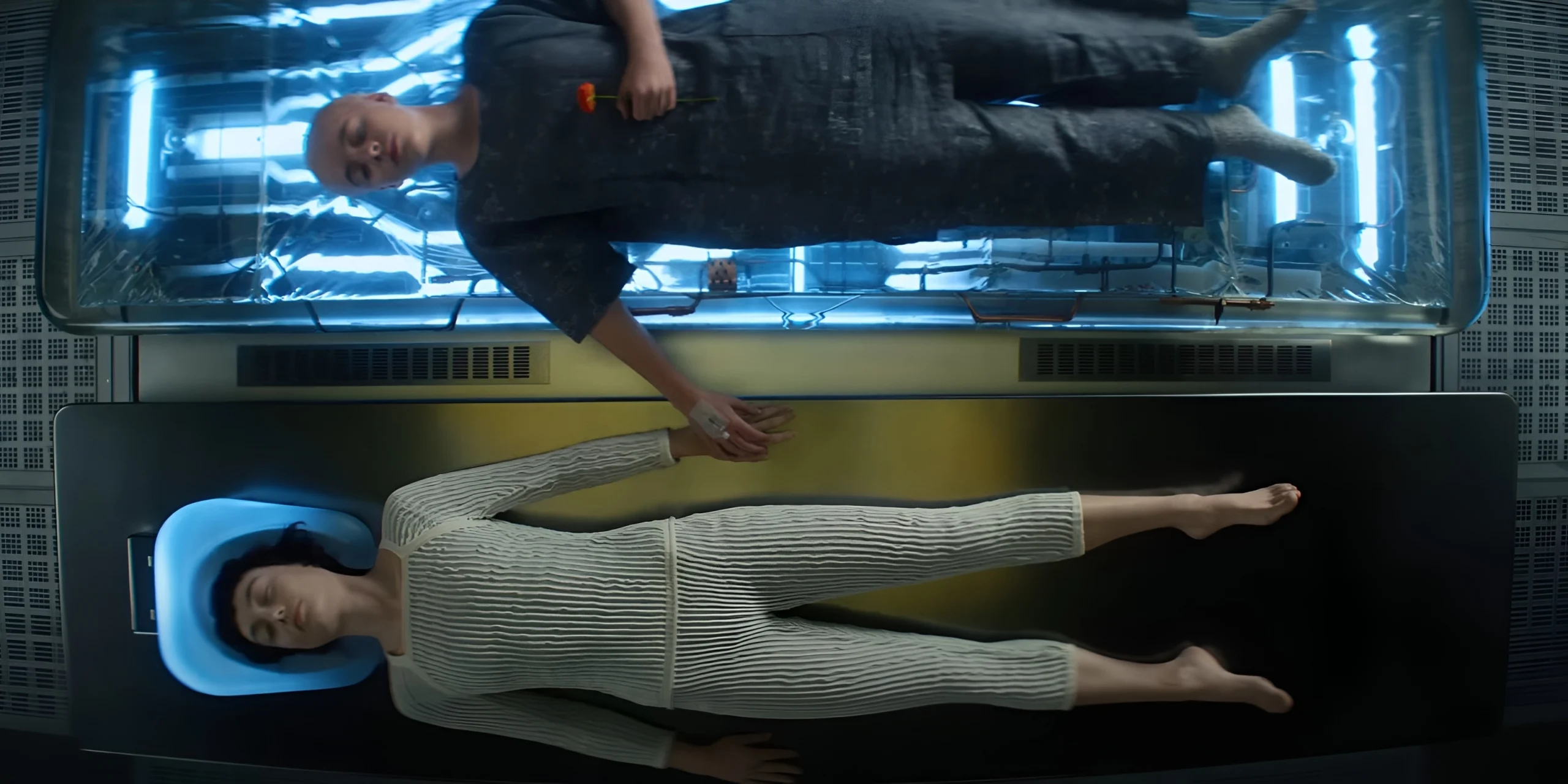
For most of human history, we believed the mind lives and dies with the body. That certainty is now under quiet scientific pressure. What once belonged to mystics and science fiction is now entering serious laboratories. The real question is no longer whether we can imagine consciousness beyond the body, but whether biology and physics will ever allow it.
Popular culture has helped society rehearse the idea. In Avatar, a human consciousness seamlessly operates an alien body, preserving identity across biological boundaries. In the Alien universe and its newer Earth-focused stories, hybrids blur the line between species, showing consciousness or identity expressed through mixed biological forms. These narratives resonate because they tap a deep human intuition that the self might be more portable than flesh.
Modern neuroscience, however, is delivering a humbling message. The mind is not software running on brain hardware. The brain is embedded in a living system of hormones, immune signals, metabolic feedback, and sensory loops. Emotion, memory, and even reasoning are continuously shaped by the body. This is why many researchers doubt that simply copying neural data would recreate a full human consciousness. The mind, it increasingly appears, is deeply embodied. Real-world technology is advancing, but slowly along the biological path. Brain–computer interfaces have enabled paralyzed patients in clinical trials to move robotic limbs.
However, the human brain contains roughly 86 billion neurons and about 100 trillion synapses, all changing in millisecond rhythms. Capturing that dynamic state with sufficient fidelity is far beyond current capability. More troubling is the identity paradox. If scientists perfectly copy your brain into a machine, the digital version may wake up believing it is you, but the biological you would still remain. In other words, copying a mind may one day be achievable, moving it remains an open question.
The realistic future will likely unfold in stages. Between now and roughly 2040, expect some advances in high bandwidth brain–computer interfaces, memory prosthetics, and AI systems that augment human cognition. From about 2040 to 2070, hybrid cognition may emerge, with humans controlling robotic avatars and sharing sensory streams. Between 2070 and the end of the century, more radical steps could appear, including partial neural replacement and deeply integrated bio-digital minds.
Bottom Line
We are slowly entering the age of the hybrid mind. This is not a sudden leap into immortality, but a gradual shift in what it means to be human. Whether the coming era expands humanity or quietly fragments it will depend not on how fast technology advances, but on how wisely, and when, we choose to use it.