
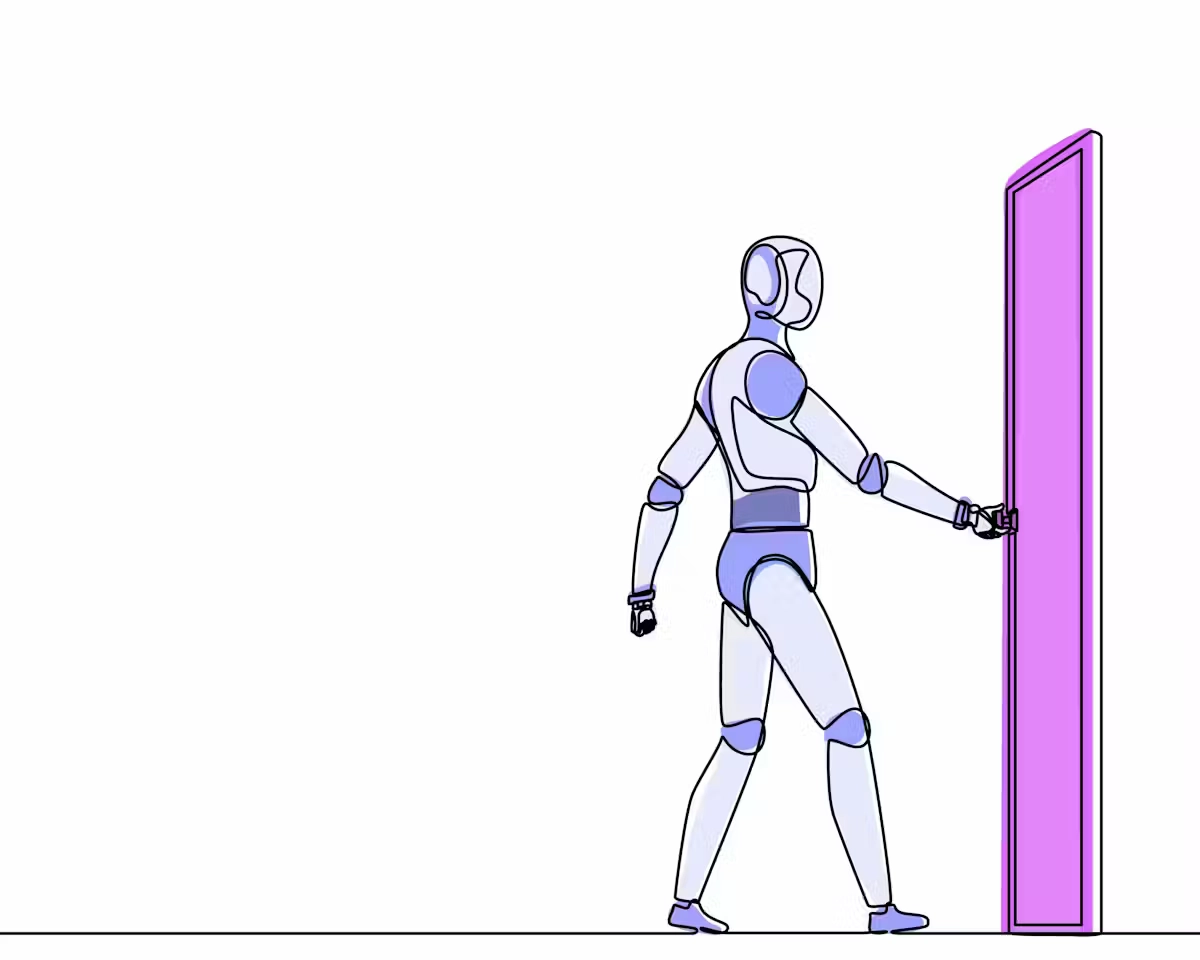
The global sprint toward humanoid robotics is often framed as a race to build better machines for humanity. In reality, it is a contest to design the operating system of the physical world. For the first time in history, intelligence is escaping the limits of the human body and seeking a scalable mechanical form. Software reshaped communication, commerce, and culture. Embodied AI now moves beyond shaping information to shaping matter, labor, and power itself. Those at the summit of wealth and influence recognize that this is not another product cycle, but a civilizational hinge. The first entity to deploy general-purpose humanoid systems at scale will resemble less a manufacturer and more a silent layer of global infrastructure, closer to an operating system than a workforce.
The urgency begins with a simple economic truth that labor is the largest market on Earth. Nearly every industry is constrained by human time, fragility, and demographics. A general-purpose humanoid platform promises to convert labor from a biological limitation into a scalable asset. This is not automation in the narrow industrial sense. It is the platformization of capability itself. A machine that can learn, adapt, and operate in environments built for humans becomes a reusable unit of productivity, deployable across sectors without redesigning the world. The prize is not efficiency, but structural leverage over the economy’s most fundamental input. Just as cloud platforms became the hidden governors of digital life, humanoid systems could become the hidden governors of physical production.
Economics, however, is only half the story. Humanoid robotics is geopolitical strategy in metallic form. Nations facing aging populations, labor shortages, and strategic vulnerabilities see in embodied AI a path to resilience. Technological sovereignty increasingly means the capacity to produce, defend, and recover without depending on human numbers. In that light, humanoid robotics becomes as consequential as energy independence once was. The companies and financiers involved are not merely chasing markets. They are positioning themselves inside the security architectures of states.
Beneath these structural forces lies a quieter psychological driver. Today’s technological elites built systems that shape what people see and say. To stand aside while intelligence acquires a body would be to surrender authorship over the material world itself. For individuals animated by legacy and agency, that is not a business decision but an existential one.
Bottom Line
Humanoid robotics is not a fascination with mechanical bodies. It is a contest over who designs the bridge between cognition and consequence, and therefore who shapes the structure of economic power, political autonomy, and human possibility in the future ahead.