
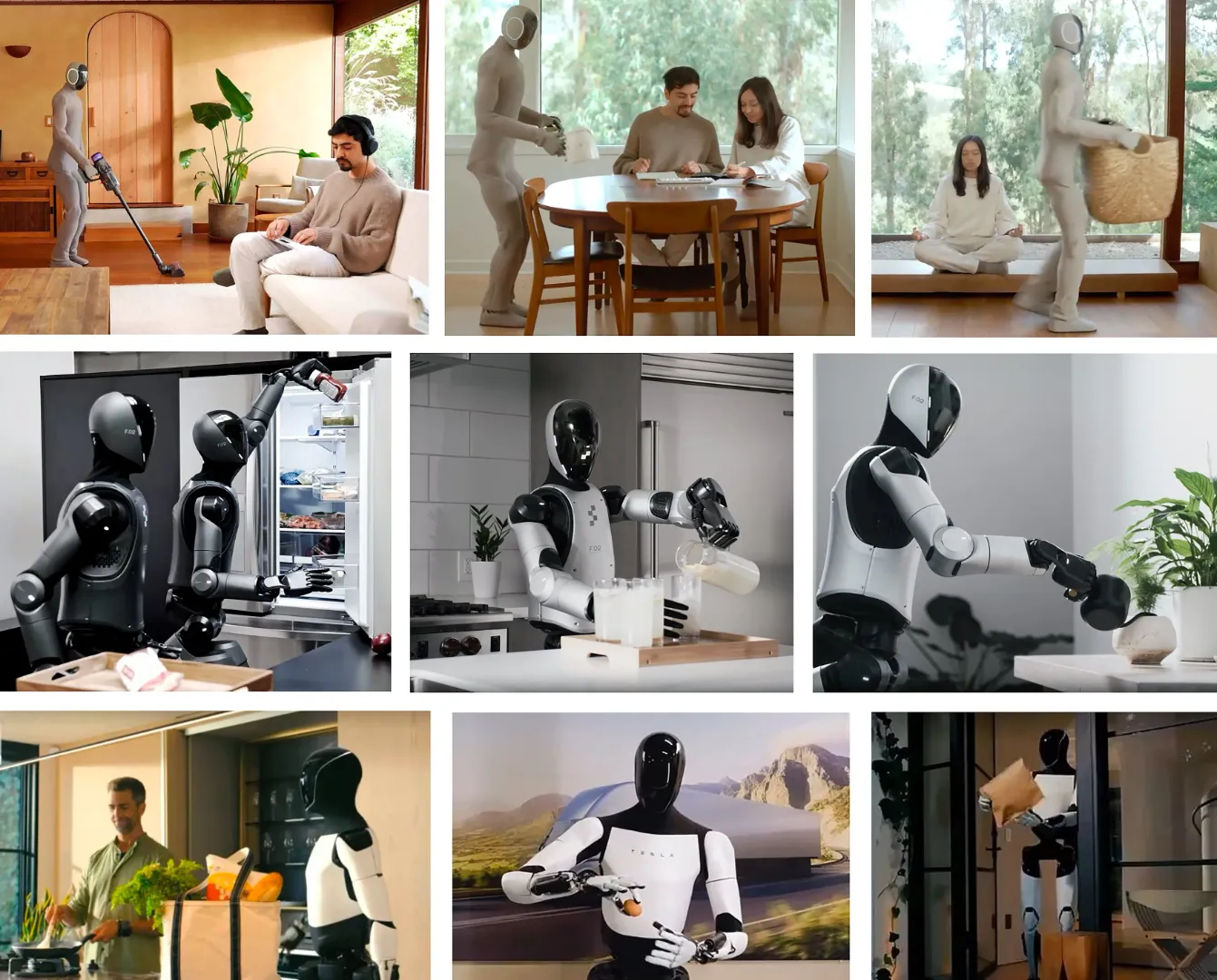
Image courtesy of IEEE Spectrum
Altman Solon’s survey on humanoid home robots shows strong interest, but also a big gap between hype and real readiness.
What Consumers Want
65% of people are interested in home robots. Top tasks are cleaning, home security, cooking help, laundry, deliveries. Soft, friendly designs are preferred. People expect robots to save ~6 hours a week.
What’s Holding People Back
85% are not familiar with current humanoid robots. 69% don’t want to pay more than $5,000, while many robots cost $20k–$40k+. Many people feel unsafe or uncertain about privacy and trust. The tech excitement still hasn’t reached mainstream users.
Where the Report Falls Short
The survey reflects only U.S. opinions and leaves out Europe, Japan, Korea, and China. Today’s humanoids still struggle with manipulation, movement in cluttered spaces, quietness, cooking, battery life, and overall reliability. We are still far from the “robot butler” stage. Maintenance is also overlooked. Humanoids require servicing, recalibration, and part replacements, they are not plug-and-play IoT devices. They include cameras, microphones, AI systems, and actuators, yet rules around privacy, liability, and failure handling remain immature (Privacy & Safety Risks). The value is often overestimated. Claims like “saving 6 hours per week” assume robots can perform daily chores reliably. In reality, most current humanoids can only handle controlled demos.
What the Industry Should Actually Prioritize
Humanoid home robots are not at an iPhone moment. They are at an early PC-era moment, exciting, but still fragile. Having worked across robotics, materials, autonomous systems, and industrial-to-consumer transitions, here’s what I believe needs to happen
- Start with niche, high-value segments like care, hygiene, assisted living, premium households, gated communities, “not every home”
- Build modular, repairable, serviceable systems. Long-term reliability > number of features
- Focus on trust, safety, and comfort. Soft robotics, compliant actuators, redundant sensing, predictable behavior.
- Develop privacy & safety standards before mass rollout. Without regulation, consumer trust will plateau.
- Manage expectations responsibly. The gap between marketing videos and real capability must narrow not widen.
Bottom Line
Humanoid at home may become mainstream one day. But progress depends on tech maturity, creativity, reliability, safety, and trust, not hype. The report is a good start, but the real discussion must go deeper.