
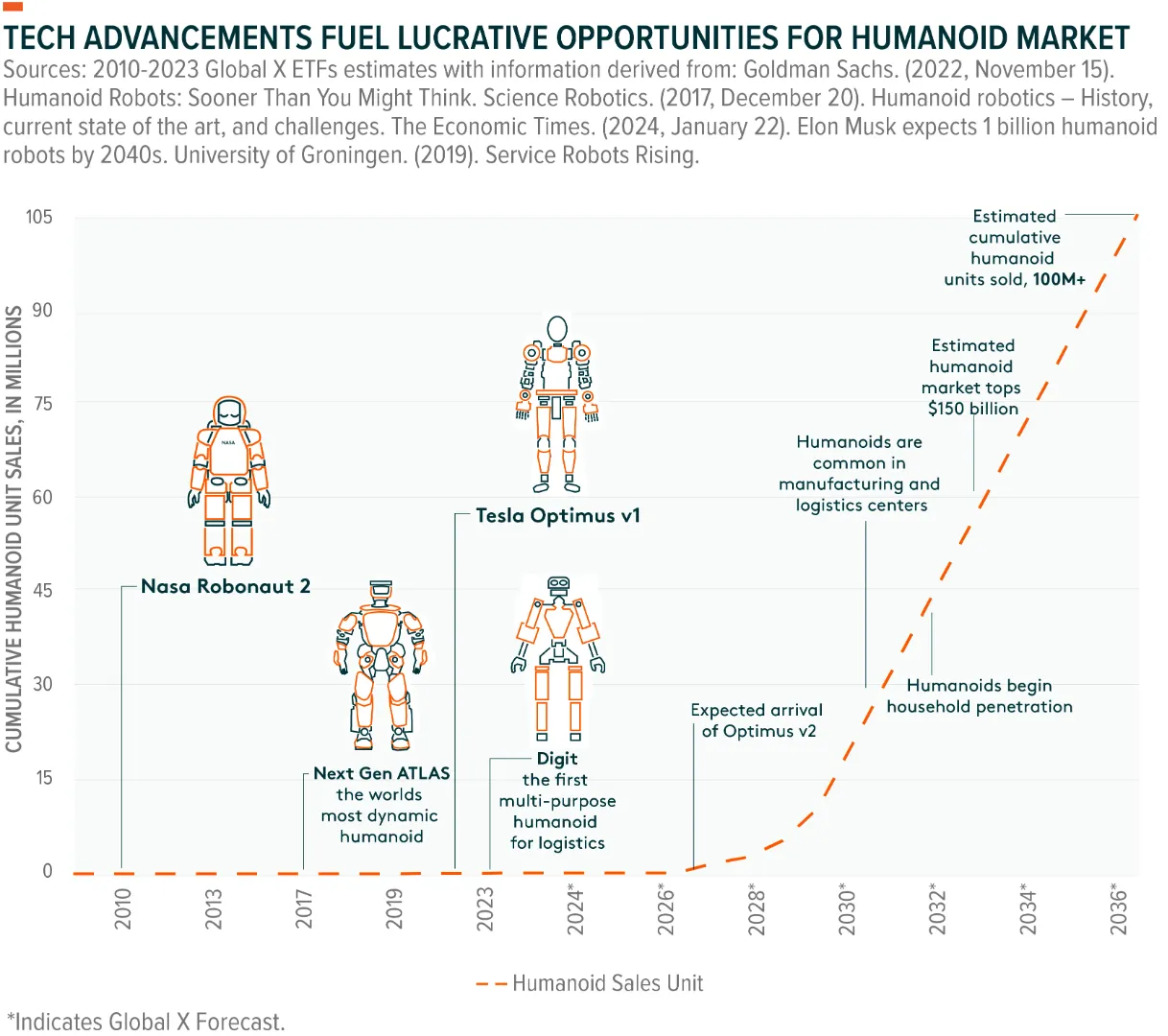
Humanoids are exciting, and companies worldwide are pouring in capital and ambition. But the hard truth is this, most humanoids will fail. Only a small fraction will survive, and even fewer will scale. Two clear pathways are emerging “appliance-style” (wheeled, task-focused) and “android-style (bipedal, human-like)”. Both have promise but face steep technical and human challenges. Industry leaders still say we’re in Phase One, hardware is unreliable, supply chains fragile, and mass adoption remains distant. Here are the key challenges that will crush most humanoids being built today.
Dexterous hands are complex, with many motors and sensors that easily fail. Energy inefficiency drains batteries quickly, making runtime short and costs high. Gendered reactions matter, studies show women often respond differently to robots, making acceptance uneven across half the population. Low trust in robots at home and work. Weak value proposition means no clear ROI, so buyers walk away. Poor social design can alienate users through awkward voices, behavior, or unintended gender cues. Battery weight vs. mobility limits walking. Inefficient actuators waste power and create heat. Thermal and safety limits add complexity. Unpredictable homes challenge locomotion. Fragility and maintenance raise costs. High manufacturing costs at low volumes. Unreliable perception in cluttered environments. Sim-to-reality gaps break models in deployment. Safety risks create liability. Privacy issues from cameras and mics. Regulatory uncertainty slows rollouts. Unmet user expectations cause quick disappointment. Teleoperation dependence raises cost and undermines autonomy. Fragile supply chains slow production. Cybersecurity threats from connectivity. Cultural differences affect acceptance. Job displacement fears create political resistance. Standards gaps make integration expensive. Hype pressure leads to unrealistic promises and collapse.
Bottom Line
Most humanoid projects fail because they attempt everything while ignoring energy limits, scale, service cost, and the messy human dimension. The few that succeed will solve real problems, design for durability and trust, and account for the full diversity of humanity.